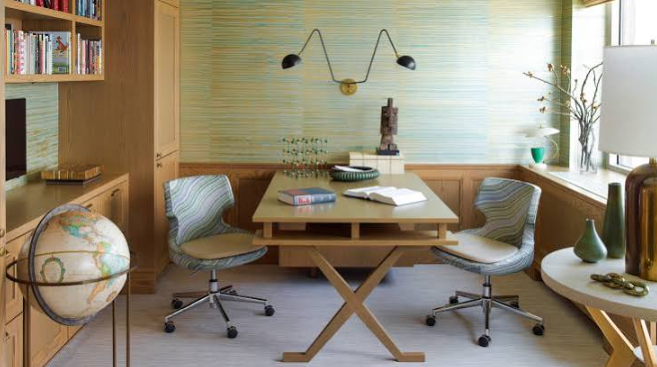

Hiring someone to help with your home or workplace can feel like a big step. Many people imagine a designer arriving with strong opinions and a long shopping list, but the reality is usually much more practical. A good design partner listens first, asks questions about how you live or work, and then turns those answers into a space that functions well and feels right. Understanding what the work actually involves makes it much easier to choose the right team.
What the Work Actually Involves
Design work starts long before any paint is chosen or furniture is ordered. The first step is always a conversation about how the space is used, what is not working, and what a good result would look like. A designer will ask about daily routines, storage needs, light, noise and the people who use the space. For a home, that might mean children, pets or elderly parents. For an office, it might mean team size, meeting habits and the way clients are welcomed.
How to Judge a Studio Before You Hire
A portfolio is a useful starting point, but it should not be the only thing you look at. Photographs show finished rooms, not the process that produced them, and they rarely show the problems that had to be solved along the way. Ask instead how the studio approaches a brief, how it handles budgets, and what happens when something goes wrong on site.
References matter too. A short conversation with a past client can tell you more than a dozen glossy images. Ask whether the project finished on time, whether costs stayed close to the estimate, and whether the studio communicated clearly. Also pay attention to how the team treats your first meeting. If they listen carefully and ask thoughtful questions, that is a good sign. If they talk mostly about themselves, be cautious.
Experience with your type of space is worth asking about. A team that mainly fits out restaurants will think differently from one that specialises in family homes. Neither is better in general, but the right fit for your project matters. When you speak with a studio, ask for examples of work similar in scale and purpose to your own, and check that they are comfortable with the practical limits of your building.
The Brief: The Most Important Document
The brief is the short document, sometimes just a page or two, that sets out what you want. It is the single most useful tool in the whole project, and it is worth taking time over. A good brief covers how the space will be used, who will use it, what must stay, what can change, and what the budget is. It should also mention the things you dislike, since knowing what to avoid is often as helpful as knowing what you like.
Be honest in the brief, especially about money. Designers cannot plan properly without a realistic figure, and a vague budget usually leads to proposals that cannot be built. If the budget is tight, say so. A good interior design company will suggest where to spend and where to save, rather than presenting a plan you cannot afford. It is also worth naming one person as the main decision-maker, because projects stall when too many people give conflicting instructions.
Budget, Timeline and Communication
Every project needs a clear agreement about cost, timing and who does what. Ask for a written fee proposal that explains what is included, such as drawings, site visits and help with ordering, and what would cost extra. Some studios charge a fixed fee for the design stage and then a separate amount for site supervision. Others work on a percentage of the build cost. Either model can work, as long as it is explained clearly before you commit.
Residential or Workplace: Different Needs
A home and an office may both need good lighting and sensible storage, but the priorities are different. In a home, comfort and privacy matter most. Bedrooms need quiet and darkness, kitchens need durable surfaces, and living areas need to suit the way a family actually relaxes. Personal taste plays a large part, and the result should feel like it belongs to the people who live there.
Frequently Asked Questions
1. How much does professional design help cost?
Fees vary widely depending on the size of the project, the scope of work and the experience of the team. Some studios charge a fixed fee for a defined package, while others charge a percentage of the construction cost. Always ask for a written proposal that explains exactly what is included, and compare proposals on the same basis rather than on price alone.
2. How long does a typical project take?
A small refresh can take a few weeks, while a full renovation often takes several months from the first meeting to the final handover. The design stage, ordering and building work each need time, and permits can add delays. Ask for a realistic schedule at the start, and expect regular updates as the work progresses.
3. Do I have to accept all of the designer’s suggestions?
No. A good designer presents options and explains the reasoning behind them, but the final decisions are yours. If something does not feel right, say so early, while changes are still cheap and easy. The best results come from an honest exchange, where the designer brings expertise and the client brings knowledge of their own life and work.
Conclusion
A good design partner does far more than choose colours and furniture. The real value lies in listening carefully, planning honestly around your budget and your building, and managing the details that turn a good idea into a finished space. Choose a team that asks good questions, communicates clearly and has experience with projects like yours. With a clear brief and regular communication, the process can be straightforward, and the result should be a home or workplace that genuinely suits the way you live and work.